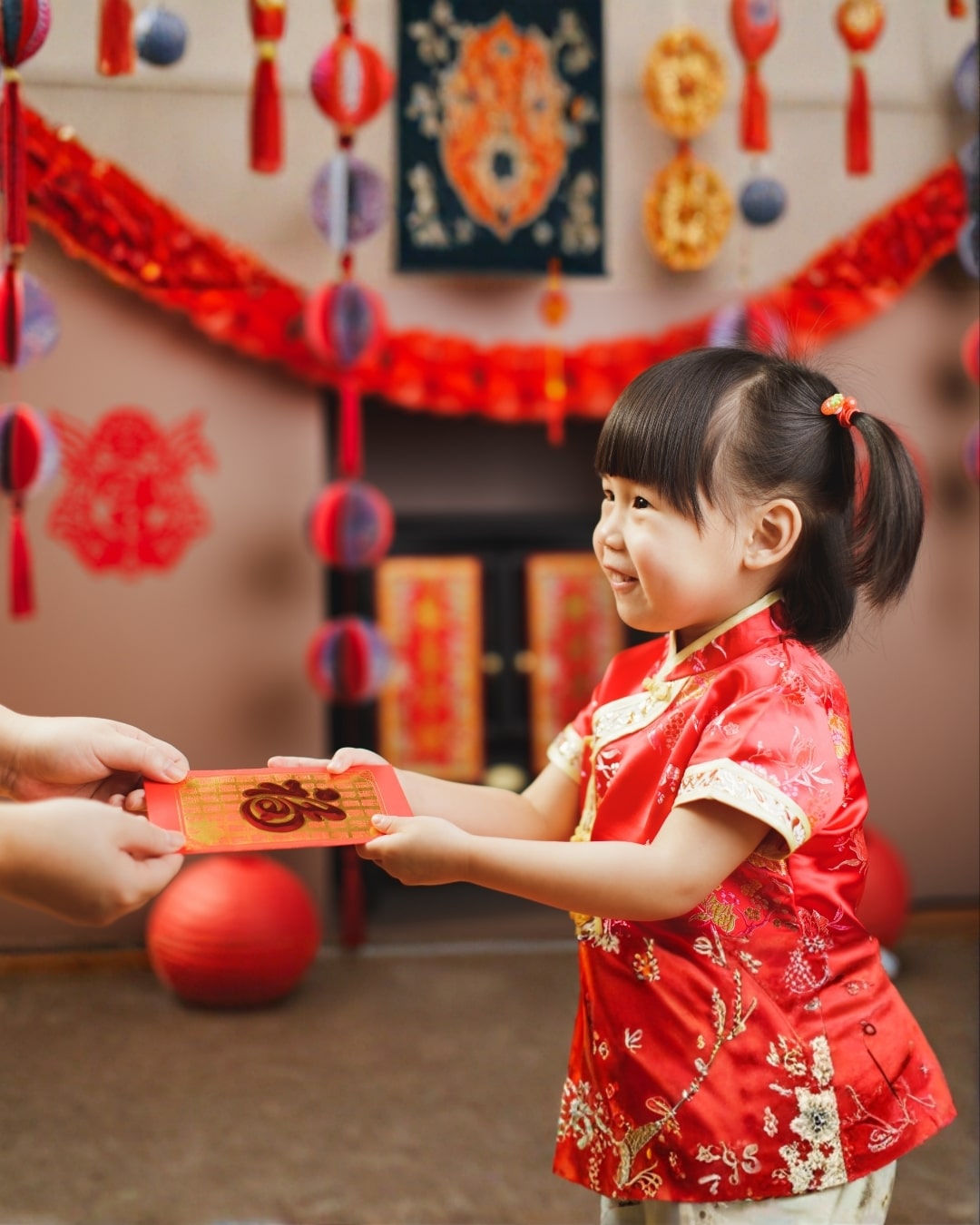
Imagine a familiar scene in a Malaysian household. A parent presents a gift to their child, their expression revealing whether the gesture truly landed. Nearby, a family member watches closely, forming an opinion of the exchange.
At first glance, it feels like a simple moment. Yet it raises a deeper question: when judging the value of a gift, whose perspective matters most? The giver’s intention, the observer’s judgement, or the receiver’s experience?
This same question sits quietly at the heart of education, particularly within international schools in Malaysia.
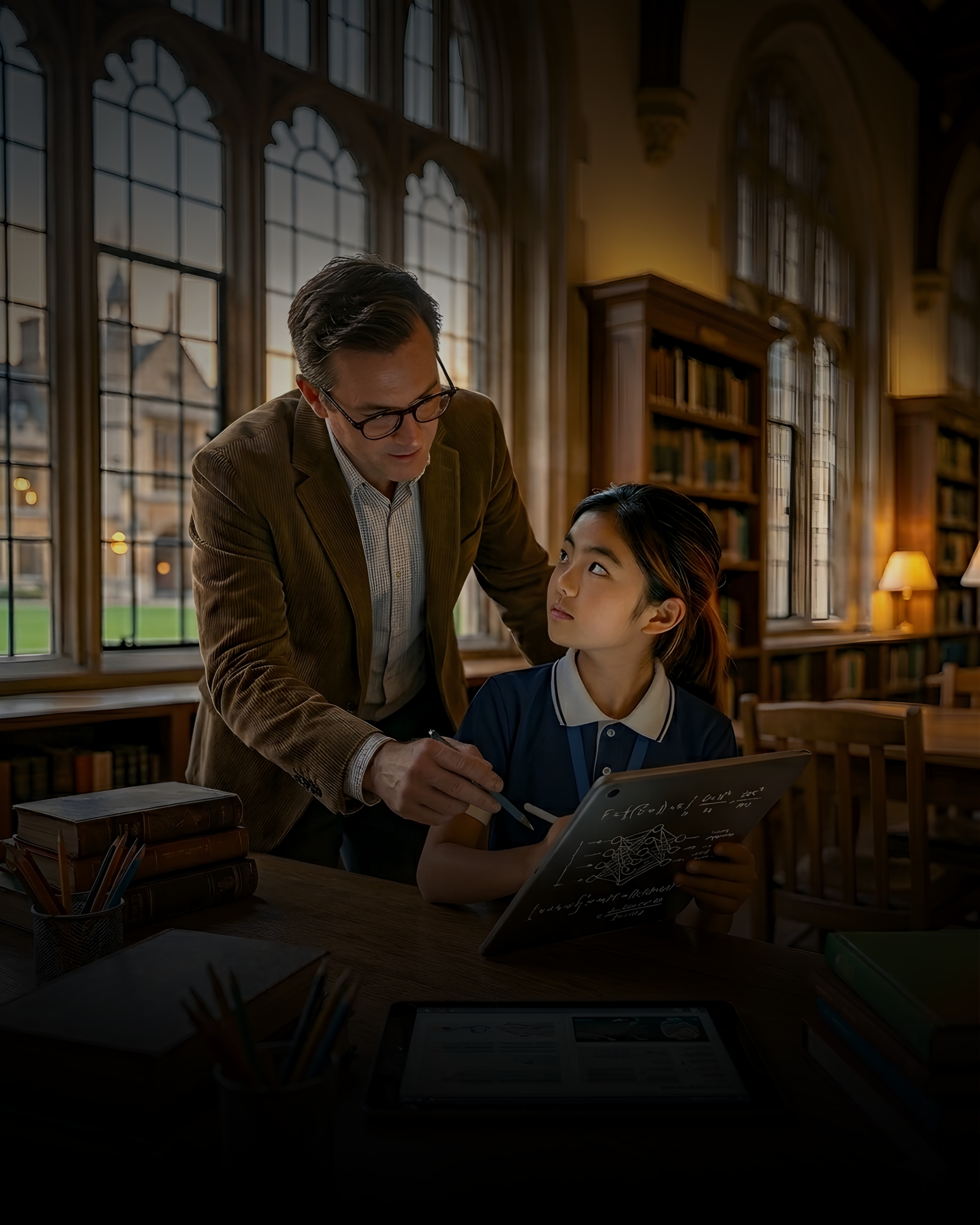
For decades, education systems have largely prioritised the observer’s lens. Teaching quality is often measured through classroom observations, lesson plans, and instructional delivery. But if we pause and reflect, are we evaluating learning the same way we might evaluate a gift without ever asking the person who received it?
At Fairview International School, an IB international school in Malaysia, this question shapes how we think about teaching and learning.

The Classroom Blind Spot in Schools in Kuala Lumpur
Across schools in Kuala Lumpur, whether public institutions or private schools in KL offering international programmes, teacher observation remains the dominant indicator of quality. While this practice has its place, it tells only part of the story.
Teaching can be polished, structured, and technically sound, yet still fail to connect. When the student experience is missing from evaluation, schools risk mistaking activity for impact. In this equation, students become passive recipients rather than active participants in their own learning journey.
Learning does not happen because content is delivered. It happens when understanding takes root.
This distinction matters deeply in IB schools in Malaysia, where inquiry, reflection, and learner agency are central to the International Baccalaureate philosophy.

Shifting the Lens from Teaching to Learning
This is an uncomfortable but necessary truth. When education prioritises how teaching looks over how learning is experienced, performance can overshadow progress.
A student-centred approach does not weaken teaching quality. It strengthens it.
By listening carefully to students, educators gain insight into what supports understanding, builds confidence, and sustains curiosity. These insights cannot be captured through observation alone. They require dialogue, reflection, and trust.
True learning asks a different set of questions:
-
Did the student feel engaged?
-
Did the lesson make sense to them?
-
Did it help them think more deeply or see differently?
In IB programmes in Malaysia, including the Primary Years Programme, Middle Years Programme, and the IB Diploma Programme, these questions are not optional. They are essential.
Listening as a Measure of Quality in IB Education
If learning outcomes are to improve, student feedback must be treated as meaningful data, not an afterthought. Research-backed student voice tools, reflective practices, and structured feedback loops give schools a clearer picture of what truly works.
When students feel heard, learning becomes a shared endeavour rather than a one-way delivery. This is where education shifts from transactional to transformational.
For parents exploring top rated international schools or Malaysia IB schools, this distinction matters. A strong IB education is not about how impressive lessons appear, but how deeply students engage with ideas, challenges, and real-world contexts.

Putting Belief into Practice at Fairview International School
At Fairview International School, an established IB international school in Malaysia, this belief shapes our approach across all programmes. Whether in the IB Primary Years Programme, IB Middle Years Programme, or the International Baccalaureate Diploma Programme in Malaysia, student voice is embedded into teaching and learning.
As educators, we see ourselves not just as instructors, but as guides. Learning improves when teachers reflect not only on what they taught, but on how students experienced it.
This philosophy also informs how we support families exploring Fairview International School fees, curriculum pathways, and long-term outcomes. Education is not a performance for adults. It is a lived experience for children.

A Final Reflection on Education That Truly Matters
The value of a gift is never fully revealed by the giver or the observer. It lives in the experience of the one who receives it.
Education is no different.
If schools in Kuala Lumpur and across Malaysia want learning to matter, they must look beyond how teaching appears and listen closely to how learning is experienced. This shift is especially important in IB schools, where reflection, agency, and understanding sit at the core of the curriculum.
The future of education depends not on perfect lessons, but on meaningful learning.
The question is simple: are we willing to listen?