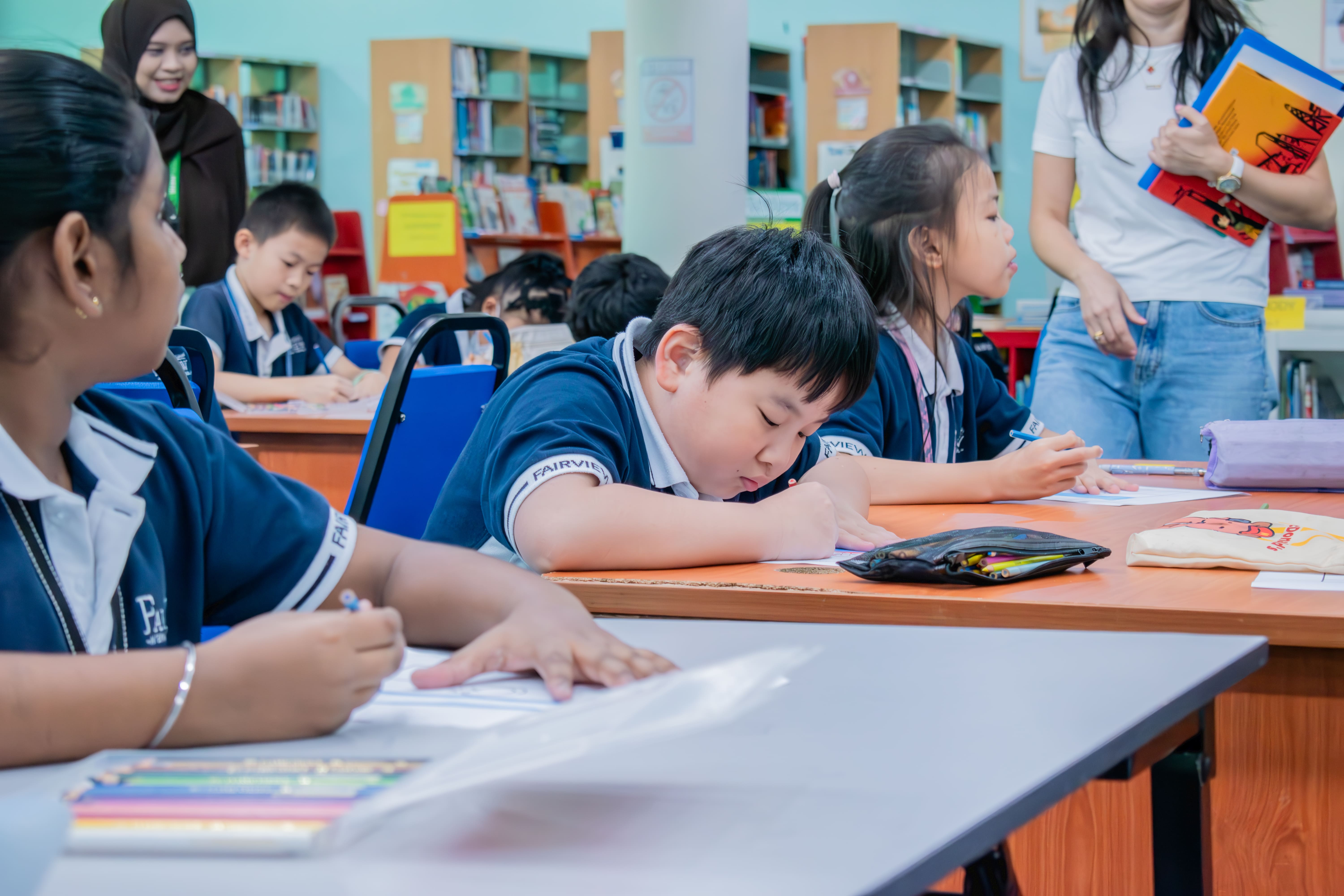
Malaysia’s new education blueprint marks a clear turning point in how children are meant to be educated over the next decade, especially for parents exploring international schools in Kuala Lumpur and IB education in Malaysia. As a result, it reflects a growing understanding that strong results alone no longer prepare children for the realities of life, work, and further study. It reflects a growing national acknowledgement that preparing students purely for examinations is no longer enough.
For parents, the real question is not about policy language or long-term aspirations. It is practical:
What will actually change in classrooms, and which schools are genuinely ready for this future?
At Fairview International School, an established International Baccalaureate (IB) school in Kuala Lumpur, this shift is not new. The ideas now being formalised at a national level have long shaped how learning is designed, delivered, and supported across Fairview campuses. Much of what government schools are now beginning to design for has been part of Fairview’s daily practice for years.
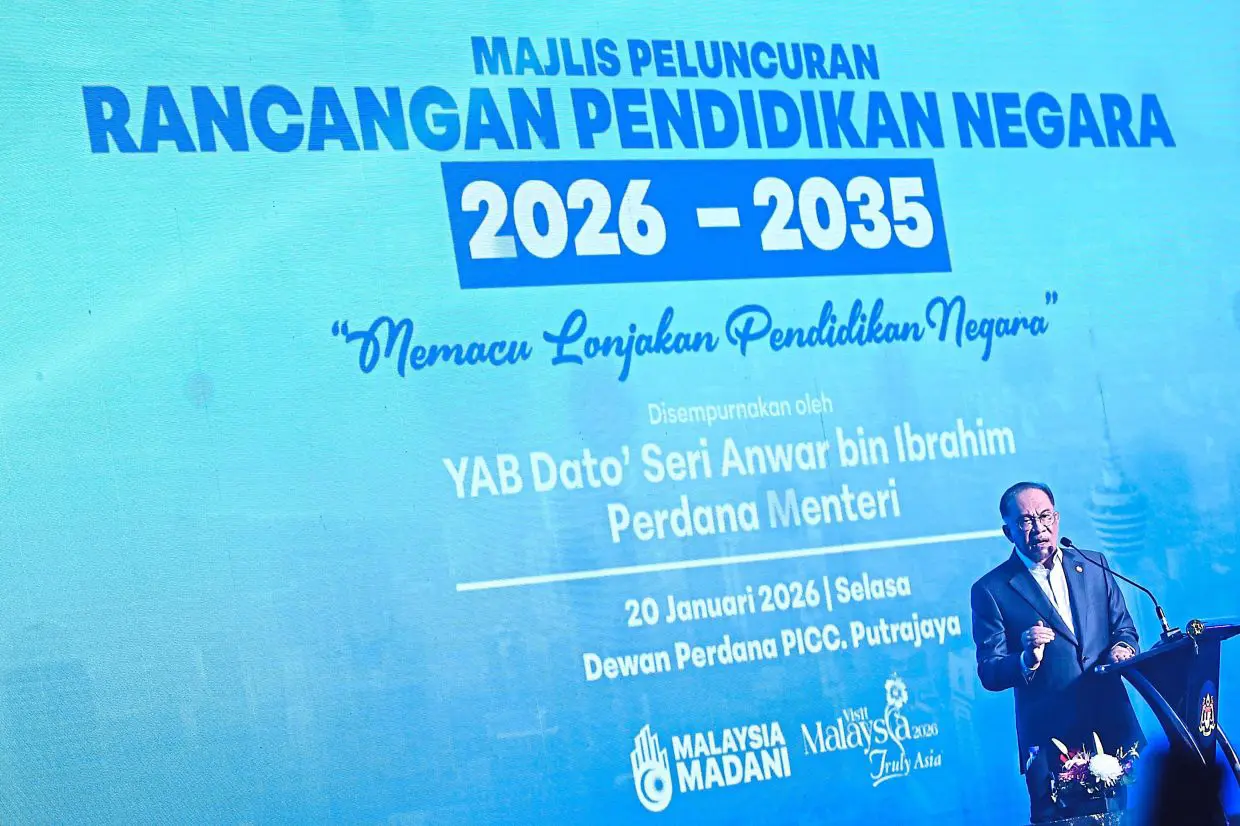
A National Shift That Parents Should Pay Attention To
The revised national direction moves education away from narrow academic performance towards a more holistic definition of success. The Ministry of Education now places clear emphasis on developing students who are:
- Emotionally well and resilient
- Able to think critically and solve problems
- Capable communicators and collaborators
- Digitally responsible and adaptable
- Guided by values, ethics, and purpose
Importantly, these outcomes are not incidental add-ons. The blueprint signals that schools are now expected to design deliberately for them, measure them, and support them systematically.
As a result, this represents an important change. For many years, these qualities were discussed as ideals. They are now positioned as core outcomes of schooling.
What This Means in Real Terms for Schools
For schools, therefore, the shift is significant. It requires more than rewriting curriculum documents or adding new subjects.
To deliver on these expectations, schools need:
- Teaching approaches that prioritise understanding over memorisation
- Assessment methods that value application, reflection, and real-world tasks
- Systems to monitor student wellbeing, not just academic results
- Teachers trained to guide thinking, skills, and personal development
As a result, this is where meaningful differences between schools begin to appear.
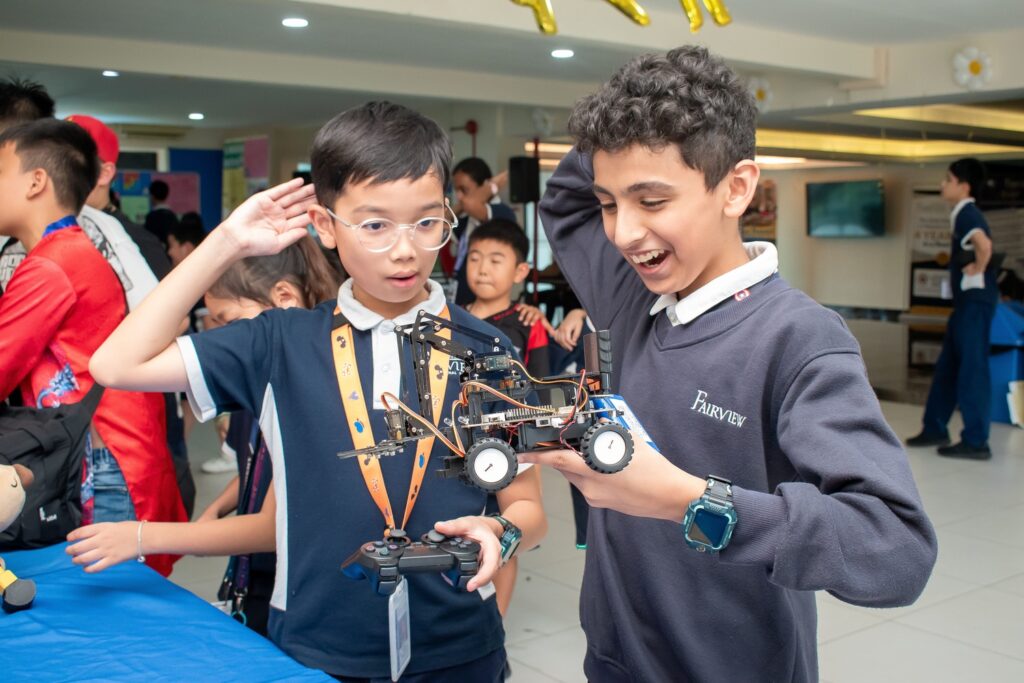
Fairview’s Approach: Designed Years Ahead of the Shift
Fairview’s educational model, based on the International Baccalaureate programme in Malaysia, has long been built around the same outcomes now highlighted by the national blueprint. Rather than responding to changing policy language, Fairview has focused consistently on how children actually learn best. Rather than reacting to new policy directions, Fairview has spent years refining systems that already align with them.
In practice, this alignment is not theoretical. It is visible in daily classroom practice.
Wellbeing as a System, Not a Slogan
One of the strongest signals in the new blueprint is its emphasis on student wellbeing and resilience. This reflects growing awareness that children cannot learn effectively when they are anxious, overwhelmed, or unseen.
In many schools, educators discuss wellbeing but manage it informally, often addressing it only when problems surface.
At Fairview International School, wellbeing is structured and monitored through the Anchor Wellbeing Programme, supporting students across the IB Primary Years Programme, IB Middle Years Programme, and IB Diploma Programme in Malaysia. Using a child-focused PROSPER framework, teachers regularly track aspects such as purpose, relationships, optimism, resilience, and emotional health.
As a result, this approach allows the school to:
- Identify emotional concerns early
- Intervene before challenges escalate
- Provide targeted support rather than generic advice
- Create emotionally safe learning environments
For parents, therefore, this means fewer surprises and clearer insight into how their child is truly coping, not just how they are performing academically.
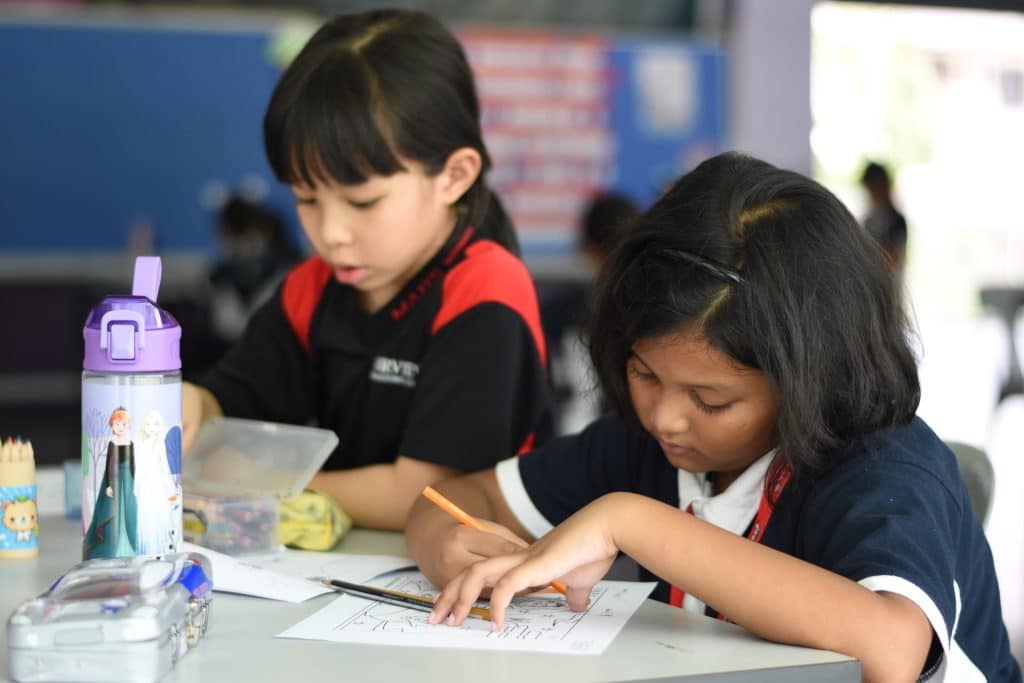
Skills That Are Taught and Assessed Explicitly
At the same time, the national blueprint places strong emphasis on skills such as communication, self-management, and critical thinking.
At Fairview International School, these skills are not assumed to develop naturally or over time. They are explicitly developed across the IB Primary Years Programme, Middle Years Programme, and IB Diploma Programme. They are taught deliberately through the Approaches to Learning framework, supported by Fairview’s Toolbox Programme.
Students learn clear, consistent models for:
- Planning and managing time
- Research and information literacy
- Presenting ideas confidently
- Collaborating effectively
- Reflecting on learning
These skills are practised across subjects and year levels, and assessed using shared criteria. They are treated as core learning outcomes, not optional extras.
As a result, this answers a question many parents quietly ask:
How do I know my child is actually becoming more capable, not just completing more work?
Learning That Prioritises Understanding Over Memorisation
Another major theme in the new curriculum direction, therefore, is the move away from rote learning towards deeper understanding.
This has been a defining feature of the International Baccalaureate for decades, and a cornerstone of Fairview’s educational approach as one of the established IB international schools in Malaysia.
Through inquiry-based and concept-based learning:
- Lessons begin with real questions or problems
- Students explore ideas, test thinking, and reflect
- Teachers guide understanding step by step
- Assessment focuses on application, not recall
In practice, IB-style assessments already mirror what the blueprint promotes: investigations, presentations, projects, and reflections, rather than reliance on single high-stakes exams.
This approach reduces unhealthy pressure while raising the level of intellectual challenge.
Purpose, Values, and Agency Built Over Time
Beyond academics, the blueprint also highlights the importance of values, ethics, and student agency.
At Fairview, character development is embedded into everyday learning through the IB Learner Profile. Values such as integrity, empathy, open-mindedness, and responsibility are practised in real contexts, not taught as abstract ideals.
Through programmes like Aspire, students revisit questions about their strengths, interests, and aspirations at different stages of their schooling. This gradual process helps them develop direction and confidence without being forced into premature decisions.
The result is not early specialisation, but a stronger internal compass that supports confidence, motivation, and better long-term decision-making.

Teachers as the Key Enablers of Change
No curriculum shift succeeds unless teachers are prepared to deliver it.
Accordingly, the national blueprint recognises the need to strengthen teacher professionalism and pedagogy.
At Fairview, teacher training, shared practice, and consistency are long-standing priorities. Teachers work within shared frameworks, receive ongoing professional development, and are supported to implement inquiry, skills-based learning, and wellbeing practices effectively.
This consistency ensures that what parents see on paper is reflected in classrooms across year levels.
International Baccalaureate vs the New National Direction
In many ways, the revised national curriculum moves closer to principles that have defined the IB for years:
- Holistic student development
- Emphasis on thinking and skills
- Values-driven education
- Real-world relevance
- Balanced assessment
However, the key difference lies in the maturity and depth of implementation.
While government schools are now beginning this transition, IB schools like Fairview International School have had decades to refine systems, train teachers, and embed IB education in Malaysia deeply across all year levels.
Setting the Standard, Not Catching Up
The new education blueprint does not force private schools to change. But it does redefine what credible education looks like in Malaysia.
As more schools adopt the language of wellbeing, skills, and holistic development, parents will need to look beyond promises and ask deeper questions:
- Are there systems behind the words?
- Are outcomes measured and monitored?
- Are teachers trained to deliver this consistently?
At Fairview, these elements are already embedded into everyday practice.
In short, the blueprint confirms a direction. Fairview shows what it looks like when that direction is taken seriously.
What This Means for Families
For parents navigating an increasingly complex education landscape, therefore, the most important question has shifted.
It is no longer simply, “What does the school say it values?”
It is, “How does the school actually deliver?”
At Fairview, alignment with the national education direction is not aspirational. It is operational, measurable, and lived every day.
As education standards evolve, Fairview remains focused on one outcome that matters most to families: helping children thrive at school, at university, and in life.
Key Takeaways for Parents
- Malaysia’s revised education direction reflects a national shift towards wellbeing, skills, and purpose.
- These outcomes require systems, trained teachers, and consistent assessment, not just curriculum statements.
- Fairview International School delivers the International Baccalaureate programme in Malaysia across the Primary Years Programme, Middle Years Programme, and IB Diploma Programme.
- The difference is not intention, but readiness, depth of implementation, and long-term experience.
For families comparing private schools in KL and top rated international schools, the most important question is not who is adapting, but who is already delivering.