A reflection from South East Asia’s largest EdTech conference
Walking through the halls of South East Asia’s largest EdTech conference, I was surrounded by innovation. AI tutors. Virtual reality classrooms. Adaptive learning platforms promising to transform education overnight.
And yet, amidst all the screens and software, one question lingered quietly but persistently.
Are we solving the right problem?
In international schools across Malaysia and beyond, technology is often positioned as the answer. But education, at its core, has never been a technology problem. It has always been a human one.
A Lesson from the Classroom
During a visit to a rural school, I observed a lesson on the water cycle. There were no tablets. No smartboards. Just a chalkboard, a passionate teacher, and a room full of engaged students.
The teacher connected evaporation and rainfall to the students’ daily lives. Farming. Weather. Water shortages. The classroom was alive with questions and discussion.
That moment was a powerful reminder. Learning happens not because of tools, but because of trust, curiosity, and human connection.
The Reality of Educational Technology
Back at the conference, the scale of the EdTech industry was undeniable. The global education technology market surpassed USD 115 billion in 2023, with continued growth projected.
Yet research tells a more sobering story.
The OECD has found no consistent correlation between increased classroom technology use and improved PISA outcomes. Many tools remain stuck at substitution or augmentation levels, digitising worksheets rather than transforming learning.
Technology alone does not deepen thinking. People do.

Why Humanity Still Matters in IB Education
The International Baccalaureate is built on inquiry, reflection, discussion, and global-mindedness. Whether in the IB Primary Years Programme, IB Middle Years Programme, or the IB Diploma Programme in Malaysia, learning depends on relationships.
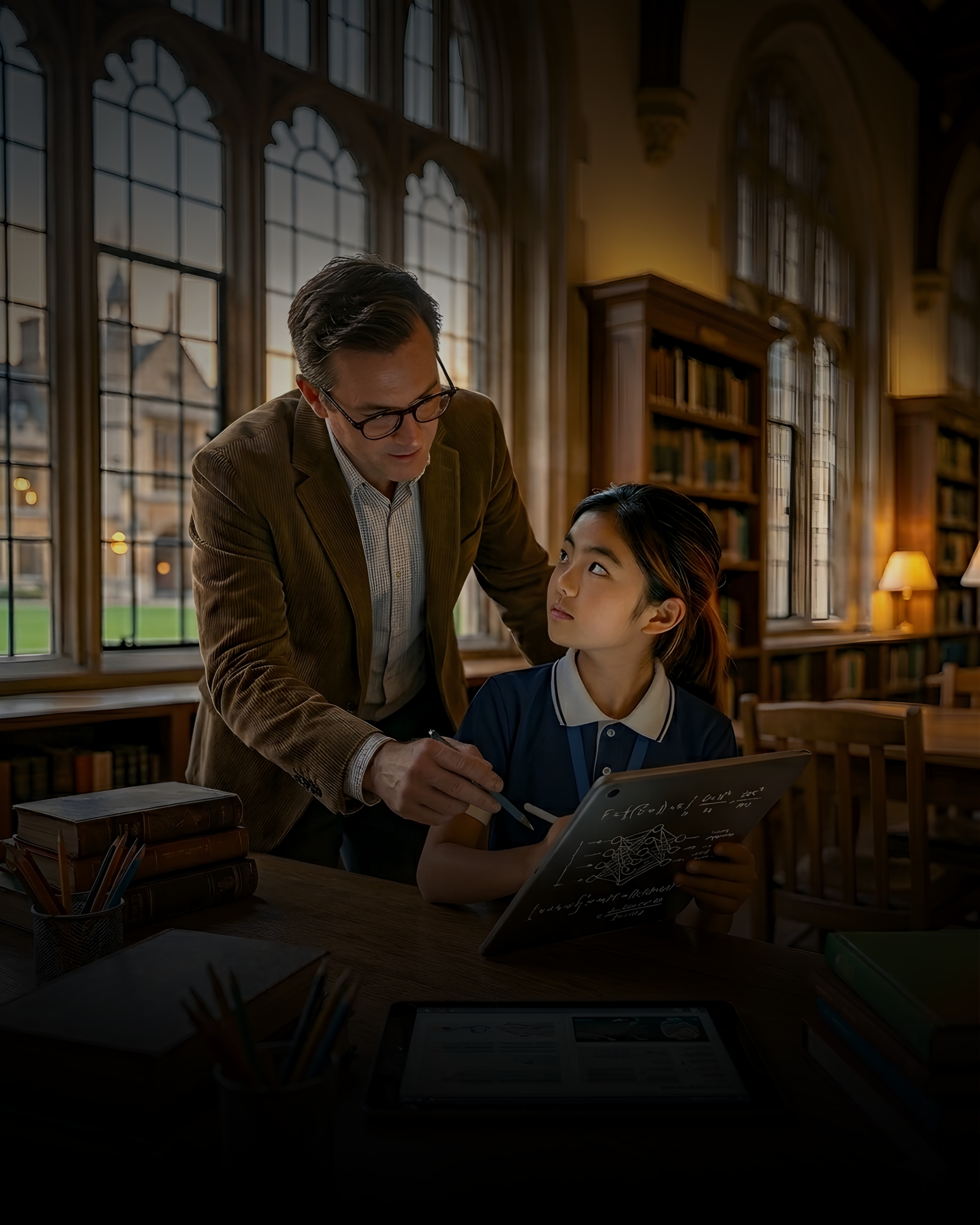
A University of Michigan study highlights that strong teacher-student relationships significantly increase engagement and motivation. Students learn best when they feel seen, supported, and safe to think aloud.
This is especially true in IB schools in Kuala Lumpur, where learners come from diverse cultural backgrounds. Human connection is not an optional extra. It is foundational.
Technology as a Support, Not a Substitute
This is not an argument against technology. Used well, it can enrich learning experiences, personalise feedback, and expand access to knowledge.
But technology must serve pedagogy, not replace it.
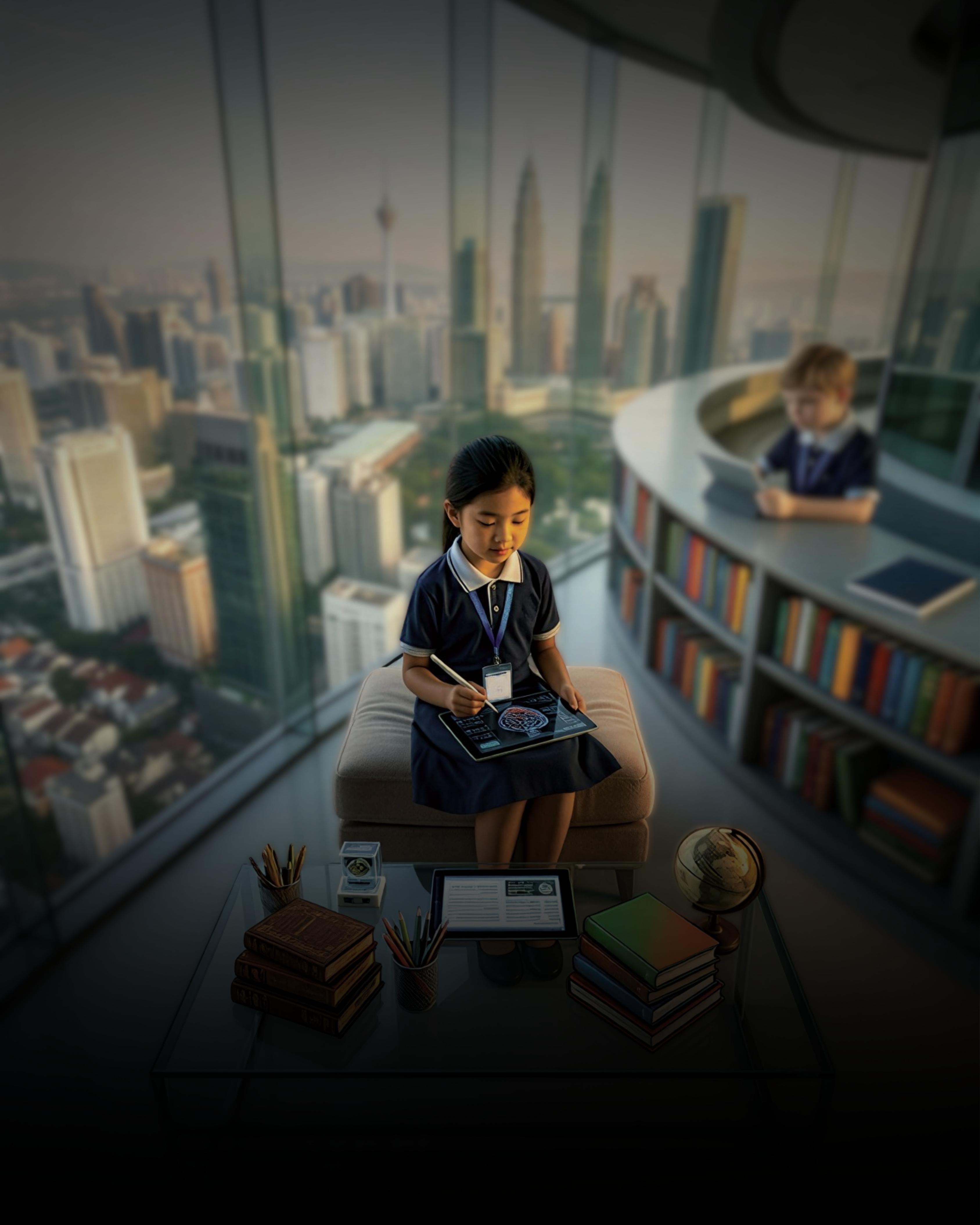
At Fairview International School, technology is integrated to support inquiry, collaboration, and reflection. It enhances discussions, projects, and real-world problem-solving within the IB framework. It never replaces the educator’s role as a guide.
Guidance for School Leaders and Parents
For families exploring IB international schools in Malaysia, and for leaders shaping schools in KL, a few questions matter more than any device list.
-
What kind of learner are we trying to develop?
-
Which teaching practices genuinely support that goal?
-
Does our technology amplify meaningful learning, or distract from it?
In the best private schools in KL, clarity of purpose comes before tools.
The Heart of Learning
Education has always been about more than information. It is about meaning. Growth. Belonging.
Technology can deliver content, but only people can inspire confidence, character, and curiosity. In an age of rapid innovation, the schools that thrive will be those that protect what matters most.
Humanity.
At Fairview International School, IB education in Malaysia is guided by this belief. We prepare children for life, not just exams, by balancing innovation with values, and progress with purpose.