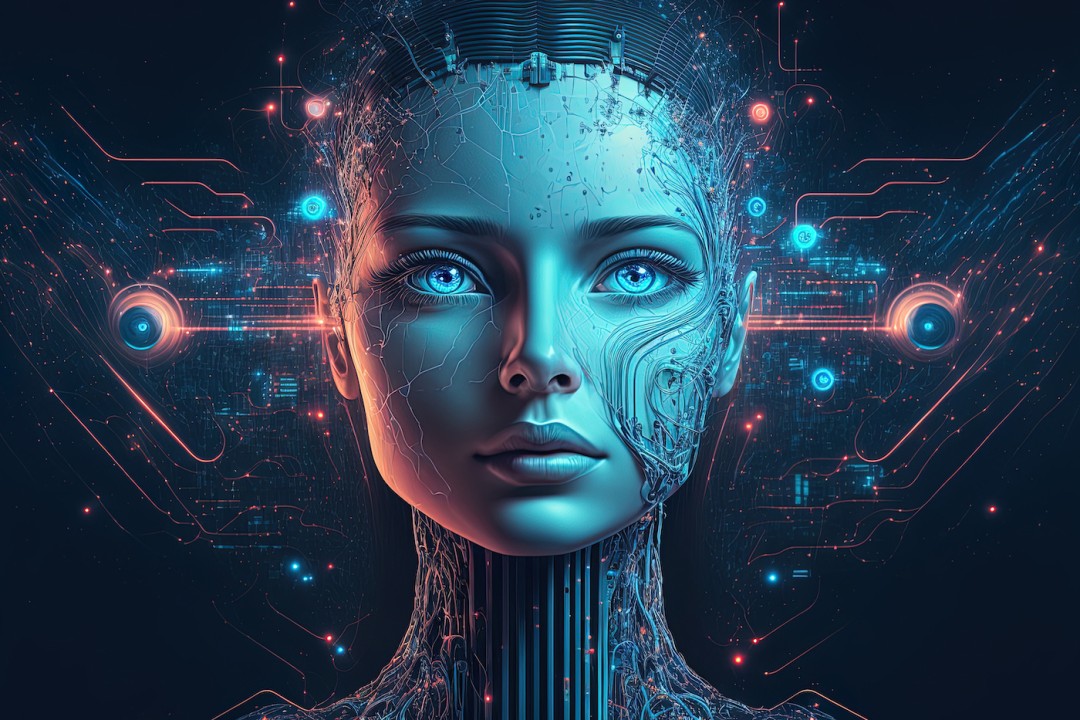

The Future of AI in Education: Embracing, Not Fearing
“AI is not here to replace us, but to enhance our capabilities. Let’s educate our students to lead with AI, not in its shadow.”
– Dr Mei Ling
Across classrooms worldwide, Artificial Intelligence is sparking both excitement and concern. Some educators see immense potential, while others worry about its impact on learning. Yet the real opportunity lies not in avoiding AI, but in teaching students how to use it thoughtfully and responsibly.
At Fairview International School, an international school offering the International Baccalaureate (IB) education in Malaysia, preparing students for the future means helping them understand emerging technologies while staying grounded in strong learning values.
Ling’s Journey with AI
Dr Mei Ling, an educator from Beijing, encountered resistance when she proposed introducing an AI learning module at her school in Shanghai. Many felt it was too complex and too risky for students.
Ling believed otherwise. With the right guidance, she felt students could learn to understand AI rather than fear it. Under her mentorship, one of her students, Xiao, developed an AI-based tool designed to support early identification of learning difficulties.
This success was not driven by technology alone. It was driven by belief, guidance and a learning environment that encouraged curiosity and responsibility.
The Potential of AI-Driven Learning
AI is already transforming industries around the world. According to research by McKinsey, AI is expected to play a major role in shaping the global economy. This makes AI education increasingly relevant for today’s learners.
When students develop AI literacy, they gain more than technical knowledge. They build critical thinking, ethical awareness and problem-solving skills. In IB international schools in Malaysia, this aligns closely with the goal of developing reflective, informed and future-ready learners.
A Practical Starting Point for Schools
Integrate AI gradually.
Introducing AI does not mean replacing traditional teaching methods. Start with simple tools that support learning and reflection. Studies shared by EdTechReview suggest that students using AI-supported educational tools often show improved engagement and understanding.
The key is balance. AI should enhance learning, not replace the human connection between teachers and students.
Conclusion
The future of education will be shaped by technology, with AI playing a growing role. As educators, our responsibility is not to shield students from this reality, but to prepare them to navigate it confidently and ethically.
By embracing AI thoughtfully and integrating it with care, schools can empower students to use technology with purpose. When guided well, students will not follow AI blindly. They will lead with it.