Preparing Children for a Future We Cannot Predict
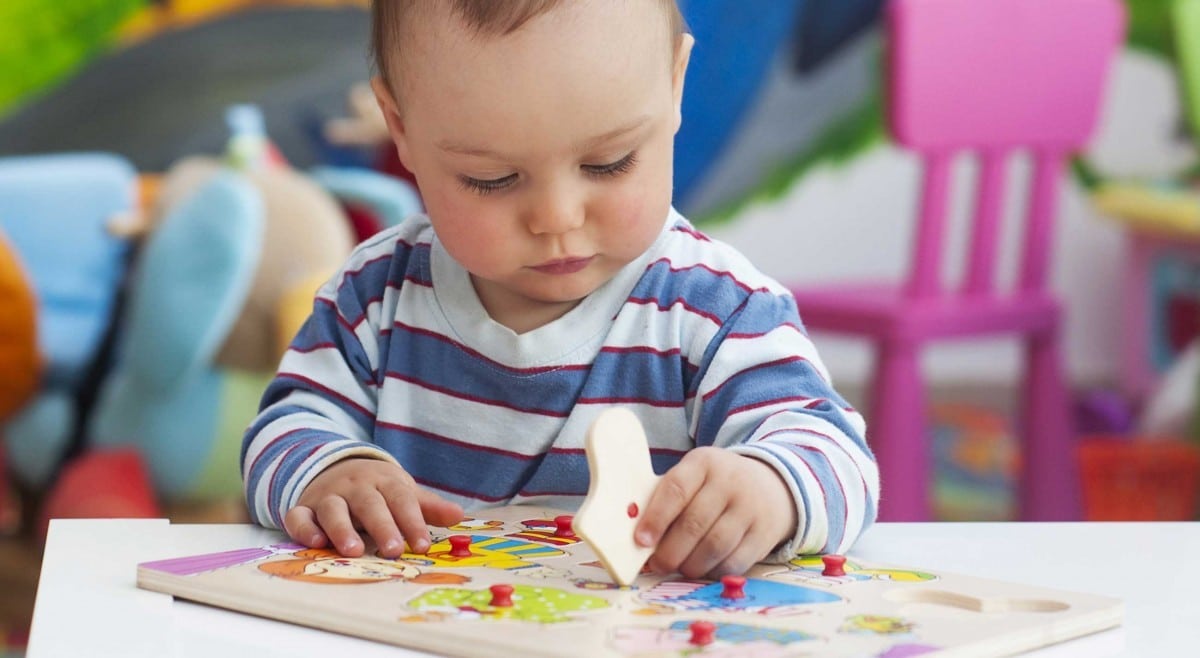
When my son was one year old, choosing his costume felt simple.
“Firefighter? That sounds perfect,” I said.
He smiled with a big, toothy grin.
However, preparing him for the world he will enter twenty years from now feels far more complex.
Will firefighters still exist in the same way? What about doctors, lawyers, or accountants? Should I encourage him towards a professional career or a vocational pathway? Technology is evolving so quickly that predicting the next five years is already difficult, let alone the next twenty.
So, how do we prepare our children for a future we cannot yet imagine?
For many parents, the natural instinct is to rely on what worked in the past. Memorising facts and pursuing traditional careers once seemed like the safest path. Today, however, the world looks very different.
Doctors regularly consult digital medical platforms for the latest guidance. Accountants use intelligent software to complete financial analysis more efficiently. Meanwhile, automation continues to reshape industries across the globe.
As a result, preparing children for yesterday’s world will not prepare them for tomorrow’s opportunities.
While educators continue discussing what future-ready learning should look like, parents consistently care about two things above all else. These same priorities sit at the heart of the International Baccalaureate (IB) programmes at Fairview International School, one of the leading IB international schools in Malaysia.
Children Need Skills They Can Use for Life
Academic knowledge remains important. However, knowledge alone is no longer enough.
Children also need a broad range of transferable skills that help them adapt as the world changes. Unfortunately, many education systems treat these skills as secondary or expect students to develop them naturally over time.
At Fairview International School, the IB Primary Years Programme (PYP), Middle Years Programme (MYP), and Diploma Programme (DP) intentionally teach these essential life skills.
Students progressively develop:
- Critical thinking
- Communication
- Research
- Collaboration
- Leadership
- Self-management
- Affective skills
Some of these skills are introduced through structured workshops. Others develop through inquiry, teamwork, reflection, and authentic classroom experiences.
Consequently, every student builds a practical toolbox for life, not simply a collection of facts for examinations.
Children Need Strong Values to Match Their Skills
Skills alone are not enough.
Children also need compassion, integrity, resilience, respect, and a genuine sense of responsibility towards others.
However, values cannot be developed through an occasional assembly or a weekly moral education lesson. Instead, they grow through everyday experiences and consistent practice.
That is why the International Baccalaureate programme at Fairview is guided by the ten IB Learner Profile attributes.
Students are encouraged to become:
- Caring
- Principled
- Open-minded
- Reflective
- Knowledgeable
- Balanced
- Courageous
- Inquirers
- Thinkers
- Communicators
Rather than teaching these values separately, teachers naturally integrate them into every unit of learning.
For example, a lesson about poverty encourages empathy and responsibility. Likewise, discussions surrounding genetics or medical ethics encourage students to examine different perspectives while considering the wider impact of their decisions.
As a result, values become habits rather than classroom topics.
Why the IB Approach Is Different
Traditional education often separates knowledge, skills, and values into different subjects.
The IB programme, by contrast, brings them together.
Students do not simply memorise information. Instead, they learn how to think critically, communicate effectively, collaborate with others, and apply their learning to real-world situations.
Consequently, learning becomes more meaningful because every lesson connects knowledge with purpose.
Preparing Children Beyond Exams
No one knows exactly what the future will look like.
Nevertheless, we can prepare children to adapt, solve problems, work with others, and continue learning throughout their lives.
That is why the International Baccalaureate approach remains so relevant today.
At Fairview International School, we prepare children for life, not exams. By combining academic excellence with future-ready skills and strong values, students leave school ready to succeed in university, meaningful careers, and an ever-changing world.
This article is the second part of a six-part series on education, with more to come.
Dr Vincent Chian is the Principal at Fairview International School Kuala Lumpur. A former psychiatry registrar, he now focuses on championing holistic education that prepares students for life, not just exams.