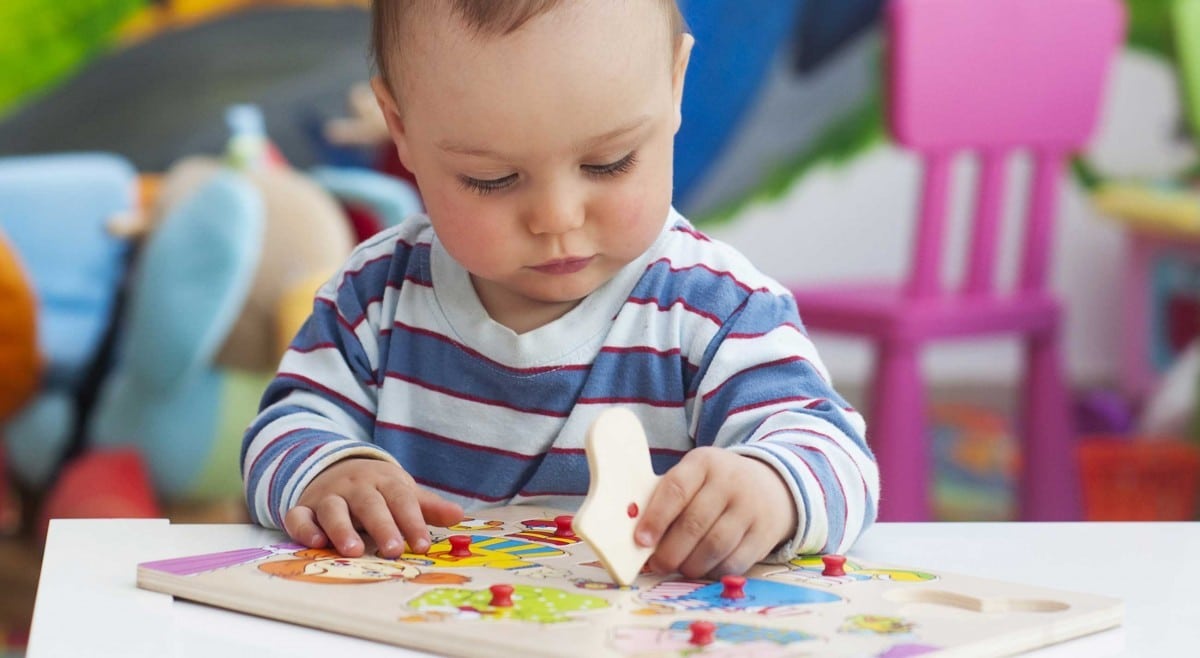
When my son was one year old, choosing his costume felt simple.
“Fireman? OK, let’s go with the fireman outfit,” I said.
He smiled with a big, toothy grin.
But preparing him for a world twenty years from now felt far more complex. Will firemen still exist then? What about doctors or lawyers? Should I guide him toward a professional or vocational path? The world is changing so quickly that predicting even five years ahead is difficult, let alone two decades.
So how do we prepare our children for a future we cannot yet imagine?
For many parents, the instinct is to rely on what worked in the past. Memorising facts and pursuing traditional professions once felt safe and predictable. But today’s world looks different. Doctors refer to digital medical platforms for updated guidance. Accountants rely on software for financial tasks. Automation continues to transform industries. These shifts show that preparing children for the past will not equip them for the future.
While educators debate what future ready learning should look like, two areas matter deeply to parents. These priorities also form the foundation of the International Baccalaureate programmes at Fairview International School, one of the leading IB international schools in Malaysia.
1. Children Need a Broad Range of Life Skills
A strong skill set helps children adapt as the world evolves. Yet many schooling systems offer skill development only as a by product of academic lessons or limit it to a narrow group of core abilities.
In the IB Primary Years Programme, Middle Years Programme and Diploma Programme at Fairview International School, skills are taught intentionally and systematically. Students develop thinking, communication, social, research, leadership, self management and affective skills through planned learning experiences. Some skills are introduced explicitly through workshops, while others grow naturally as students collaborate, question and apply what they learn.
This gives every learner a reliable toolbox for life, not just for exams.
2. Children Must Become Global Citizens With Strong Values
Beyond skills, character matters. Children need to recognise their responsibility to the people and world around them. They need to learn compassion, integrity, respect and global awareness.
Character cannot grow from a weekly moral class or a short term campaign. It must be part of daily learning.
This is why the International Baccalaureate programme at Fairview is guided by ten Learner Profiles. These attributes describe the kind of people we hope our students become, such as being caring, principled, reflective and open minded. These profiles appear meaningfully in lessons across the IB Primary Years Programme, the IB Middle Years Programme and the IB Diploma Programme. A unit on poverty invites reflection. A lesson on genetics or medical ethics encourages empathy and care.
Values are not taught separately. They are integrated into every learning experience.
Why IB Learning Stands Out
Traditional education separates knowledge, skills and values into different subjects. The IB approach blends them together so that learning feels whole and meaningful. In every class, students learn how to think and why thinking matters, not just what to memorise.
This is what prepares children for a world that is constantly changing.
This article is the second part of a six part series on education, with more to come.
Dr Vincent Chian is the Principal at Fairview International School Kuala Lumpur. A former psychiatry registrar, he now focuses on championing holistic education that prepares students for life, not just exams.