For decades, the role of educators was largely defined by content delivery. Teach the syllabus. Complete the curriculum. Prepare students for exams.
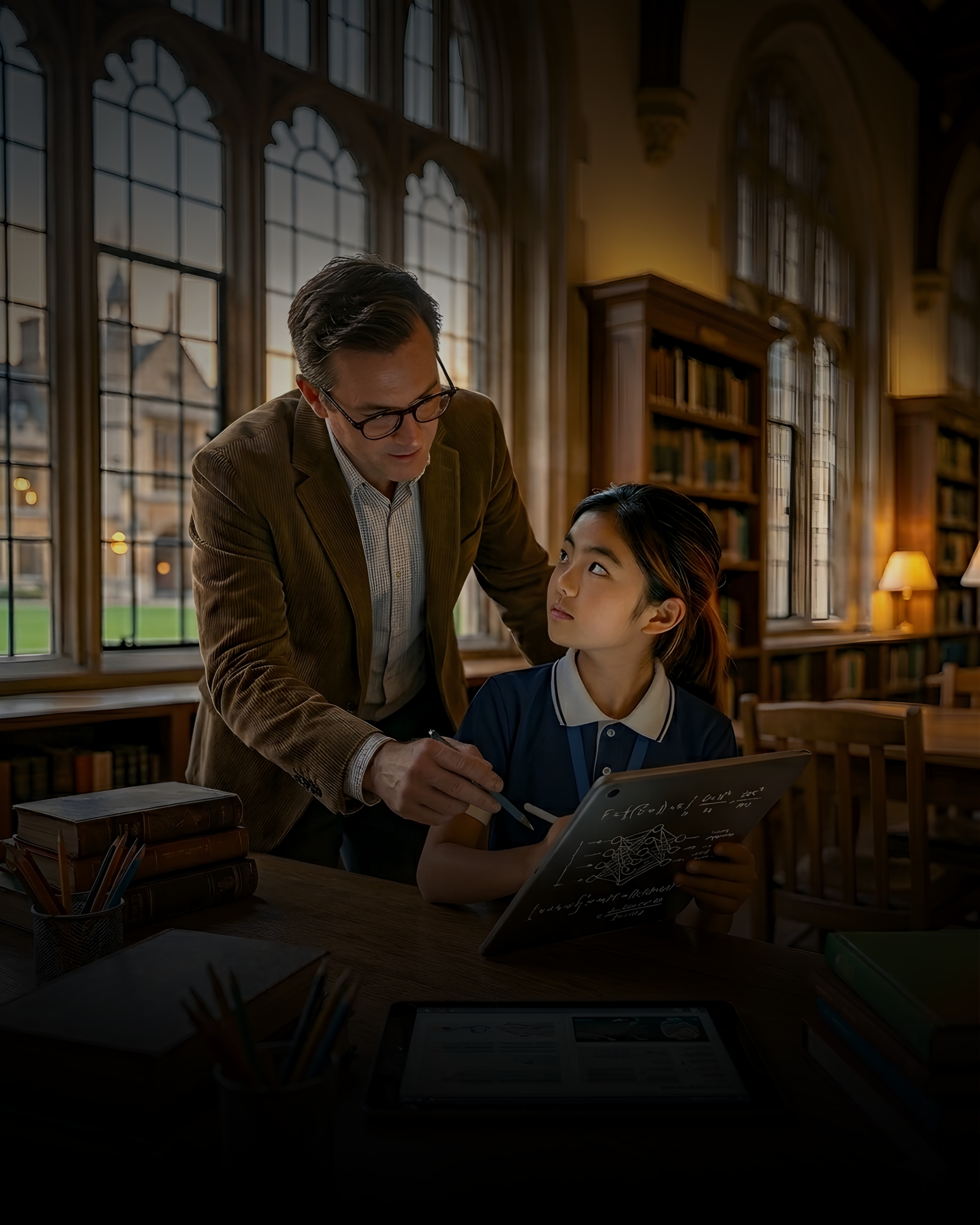
But in today’s fast-changing world, this is no longer enough. Students need more than information. They need guidance, encouragement and support to navigate uncertainty. This is why, in many international schools in Malaysia, the role of the educator is evolving, from instructor to coach.
This shift is deeply aligned with the philosophy of the International Baccalaureate (IB), which emphasises holistic development, student agency and lifelong learning. At schools such as Fairview International School, educators act not only as teachers, but as mentors who guide students academically, emotionally and personally.
Why Coaching Matters in Education
A coach does more than provide answers. A coach listens, asks thoughtful questions and helps students reflect, grow and take ownership of their learning.
Research supports this approach. According to the International Coach Federation, students who receive coaching experience:
-
A 55 percent increase in self-confidence
-
A 73 percent improvement in relationships
-
A 68 percent increase in communication skills
-
A 63 percent rise in overall life satisfaction
These outcomes directly support learning in IB programmes, where communication, self-management and reflection are essential skills across the Primary Years Programme, Middle Years Programme and IB Diploma Programme.
Coaching in Practice: Global and Local Examples
High Tech High in San Diego offers a strong example of coaching-based education. The school focuses on project-based learning supported by personalised coaching. Teachers guide students through real-world problems, encourage reflection and support independent thinking. The result is a 98 percent graduation rate, with more than 90 percent of graduates progressing to college or university.
Closer to home, SMK Taman Melawati in Malaysia has also adopted a coaching approach. Teachers mentor students, helping them reflect on their learning, set goals and develop effective study habits. The school has seen improvements not only in academic results, but also in student confidence and self-discipline.
These examples mirror what many IB schools in Malaysia aim to achieve, strong academic outcomes alongside personal growth.
Coaching and Student Wellbeing
Student wellbeing is a growing concern across schools in Kuala Lumpur and beyond. A study by Malaysia’s Ministry of Health found that 29 percent of secondary school students reported symptoms of anxiety, depression or stress.
Coaching plays an important role in addressing this. When educators act as coaches, they create safe spaces for students to express concerns, build resilience and learn healthy coping strategies. This approach supports the IB’s focus on caring, balanced and reflective learners.
One example is the SALT programme, which helps students discover purpose and direction through structured workshops and ongoing coaching. Participants reported clearer goals, improved motivation and measurable academic improvement, demonstrating the positive link between emotional wellbeing and learning success.
In Conclusion
Education in the 21st century is about more than delivering content. It is about developing confident, capable and compassionate individuals.
When educators step into the role of coach, they support students not only in what they learn, but in who they become. This approach lies at the heart of International Baccalaureate education and reflects the values upheld by Fairview International School, preparing students for life, not just exams.
Because sometimes, the most powerful thing a teacher can do is not to teach, but to coach.