Many parents have seen this happen.
A child comes home from school and struggles to explain what they learned that day. Yet the same child can clearly remember a science experiment, a group project, or a hands-on activity they did weeks ago.
Why does this happen?
The answer is simple. Children often learn better when they actively experience learning, not just when they listen to it.
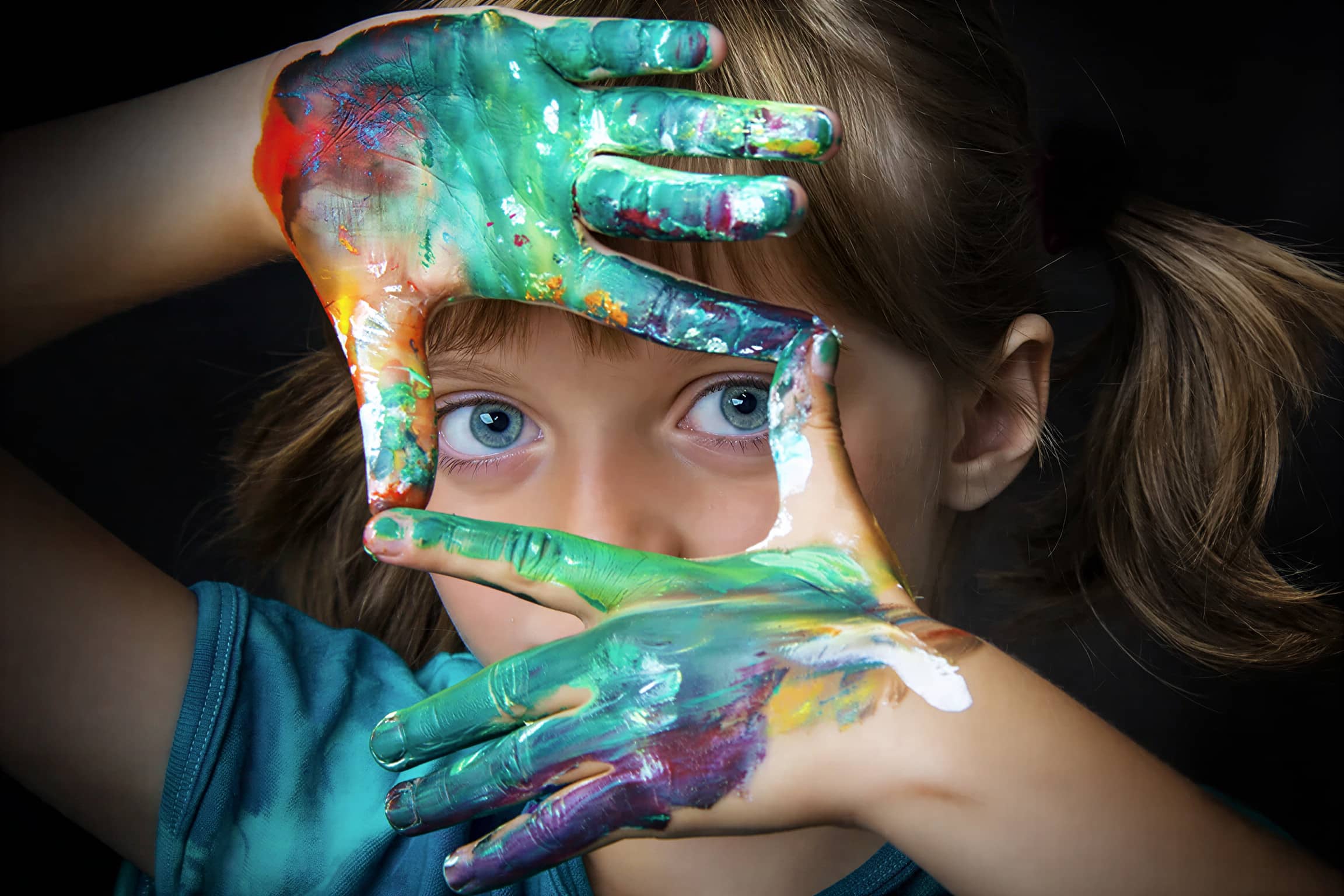
When students move, touch, see, discuss, and explore ideas, learning becomes more meaningful. These experiences help children understand concepts more clearly and remember them for longer. This is known as multisensory learning, an approach that sits at the heart of effective International Baccalaureate education in Malaysia.
What Is Multisensory Learning?
Multisensory learning is an approach that engages more than one sense at the same time. Instead of relying solely on listening or reading, students learn through movement, visuals, sound, and hands-on experiences.
This mirrors how the brain naturally processes information. When several senses are activated together, the brain forms stronger neural connections. As a result, students understand concepts more clearly and retain learning for longer.
At Fairview International School, this approach aligns closely with how learning is designed across IB programmes, where understanding grows through experience, reflection, and application.
Why Multisensory Learning Works
Research consistently shows that multisensory learning improves understanding and retention. When students hear, see, and physically engage with content, learning becomes more meaningful.
This is especially important for children. Their frontal lobes, which support focus, reasoning, and self-regulation, are still developing. Multisensory experiences help bridge this developmental gap by making abstract ideas more concrete and accessible.
Studies also show that multisensory approaches are particularly effective for students with learning differences. Traditional, lecture-based instruction often limits access to understanding. In contrast, hands-on and interactive learning allows students to engage in ways that suit how they learn best.
This is one reason why IB international schools in Malaysia increasingly prioritise active, student-centred learning rather than passive instruction.
Multisensory Learning in the IB Classroom
Multisensory learning does not require complex tools or dramatic changes. In fact, many of the most effective strategies are simple and practical.
In the IB Primary Years Programme, young learners explore concepts through play, movement, and hands-on inquiry. Activities such as building, drawing, experimenting, and role play allow children to construct meaning through experience rather than memorisation.
In primary and middle school classrooms, including the IB Middle Years Programme, science lessons become more meaningful when students work with real materials. Dissecting a plant, building a model, or conducting simple experiments allows students to see and feel what they are learning.
At the secondary level, reenactments, debates, simulations, and project-based learning bring subjects like history, mathematics, and sciences to life. Students do not just learn about ideas. They experience them, question them, and apply them.
Across all age groups, the pattern is clear. When students actively engage with learning, understanding improves and confidence grows.
How Teachers Can Apply Multisensory Learning
Introducing multisensory learning does not need to feel overwhelming. Small, intentional changes can make a meaningful difference.
Start small by adding one or two multisensory activities each week. Over time, these strategies can be expanded naturally.
Encourage exploration by creating learning environments that invite curiosity. Use visuals, movement, textures, discussion, and hands-on materials whenever possible.
Promote collaboration through group tasks and shared problem-solving. Working together engages multiple senses while also developing communication and social skills.
Use technology with purpose. Interactive tools, simulations, and digital platforms can support multisensory learning when they enhance understanding rather than replace human interaction.
These practices reflect how learning is designed in top rated international schools, where the goal is not just academic performance, but deep understanding and lifelong learning.
Why Multisensory Learning Matters Today
At its core, multisensory learning reconnects education with how children naturally learn. Through curiosity, movement, experimentation, and reflection, students make sense of the world around them.
When learning feels active and meaningful, students become more motivated and engaged. They develop skills that go beyond academics, including creativity, adaptability, collaboration, and critical thinking.
In a rapidly changing world, these skills matter. Education must move beyond passive instruction and create learning experiences that prepare students for real life, not just exams.
At Fairview International School, an IB international school in Kuala Lumpur, this belief shapes how learning is designed across all programmes. The focus remains on preparing students for life through thoughtful, research-informed teaching.
Maria Montessori captured this idea simply when she said, “The hands are the instruments of intelligence.” When students learn through their hands, eyes, ears, and minds, learning becomes real.
Through multisensory learning, education becomes more human. And through intentional teaching, it becomes transformative.