
In international schools, educators encounter a diverse mix of students from different cultures, backgrounds and learning experiences. While many thrive easily, others challenge us daily. Yet, as educator Hal Bowman reminds us, it is often these very students who need our support the most.
At Fairview International School, an international school offering the International Baccalaureate (IB) education in Malaysia, persistence, belief and connection form a core part of how students are supported across their learning journey.
Aarav’s Transformation
Aarav, a curious student from Mumbai, frequently clashed with his teachers after moving to a school in Singapore. His constant questioning was misunderstood as defiance, and he quickly gained a reputation as a difficult student.
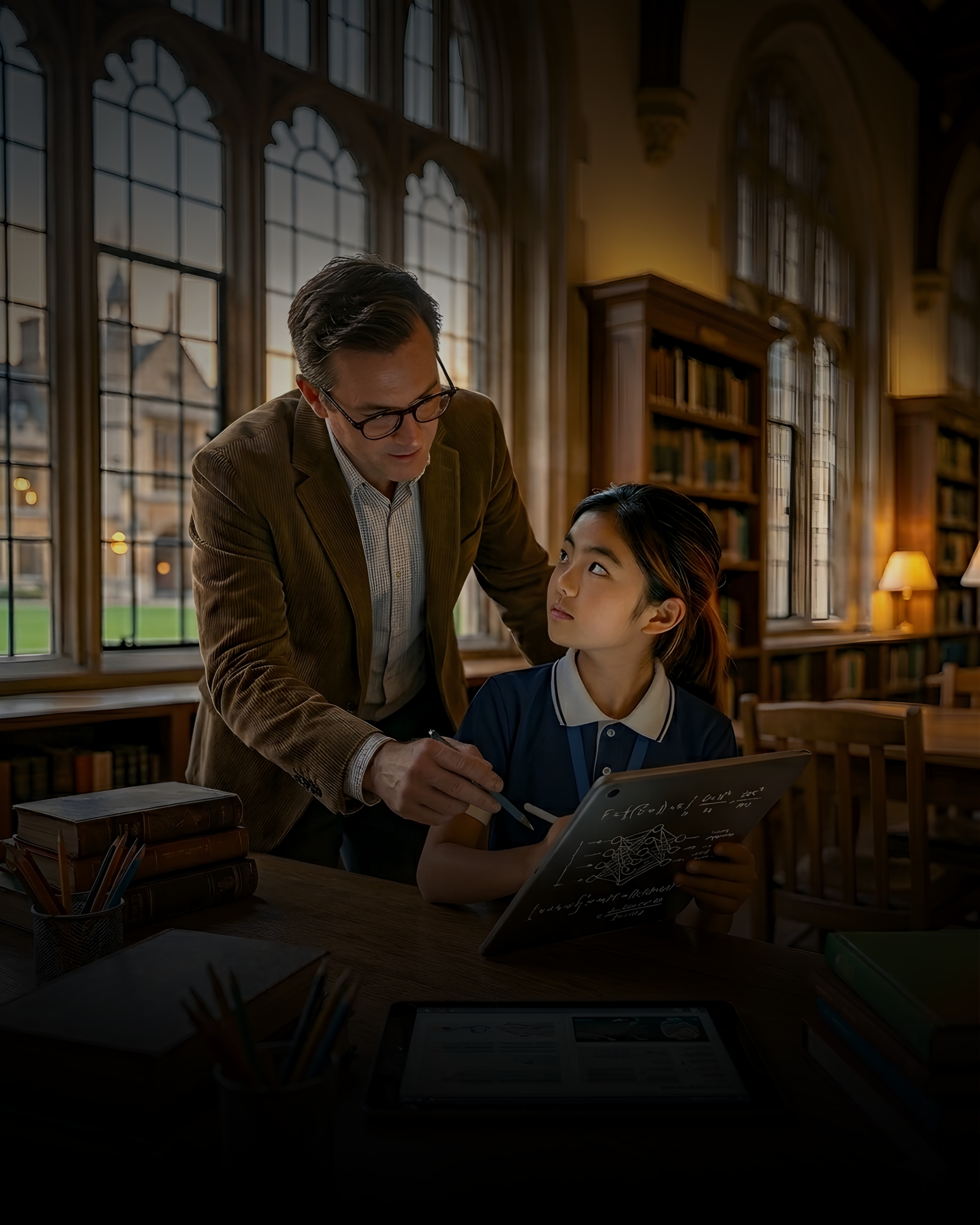
Mrs Li, an experienced educator, chose a different approach. Instead of reprimanding Aarav, she listened. Through conversations, she uncovered his struggles with cultural adjustment and the pressure to meet new academic expectations.
With patience, guidance and belief, Aarav’s behaviour began to shift. His questions became thoughtful contributions. His energy turned into engagement. The change did not happen because the student was forced to adapt, but because one teacher chose to see potential rather than problems.
When Positive Expectations Meet Achievement
Educators’ beliefs have a powerful impact on student outcomes. Positive expectations mean looking beyond past behaviour and recognising what a student can become.
Education researcher John Hattie identifies Teacher Estimates of Achievement as one of the most influential factors among 252 teaching influences. At its core, it reflects a teacher’s deep belief that a student can and will succeed, regardless of previous challenges.
In IB international schools in Malaysia, this belief supports resilience, effort and growth. When students feel trusted and supported, they are more willing to take risks and persist through difficulty.

A Revealing Statistic
A study by the National Association of School Psychologists found that students who sense low expectations from teachers are significantly more likely to disengage from learning. Expectations, whether positive or negative, shape motivation and behaviour.
The Impact of Belief in Schools
Research highlighted by Brookings shows that teacher expectations directly influence student achievement. In a well-known psychology study, students identified as “late bloomers” made greater academic progress simply because teachers believed in their potential.
Belief is not a soft concept. It is a measurable driver of success, particularly in learning environments that value growth and reflection, such as the IB programme in Malaysia.
A Practical Reminder for Educators
Connect before correcting.
In the busy corridors of international schools, it is easy to react quickly to behaviour. But behind every disruption or outburst is a story waiting to be understood.
Before correcting, pause and listen. What appears as defiance is often frustration, fear or unmet needs. When educators connect first, students feel seen and valued. Trust grows, behaviour improves and learning deepens.
Every correction without connection is a missed opportunity to guide and inspire.

Conclusion
International schools are cultural tapestries, rich with diversity and complexity. As educators, our responsibility is to ensure every student feels valued and supported.
The most challenging students are often the ones who need belief the most. With empathy, persistence and trust in their potential, meaningful transformation becomes possible.
After all, scolding has never inspired anyone.